
How to Plan Your Pallet Supply (And Prevent Shortages)
Pallet shortages rarely happen all at once. They build when pallets start moving through your warehouse faster than expected. They are easy to overlook when supply is steady, but when inventory tightens, operations slow down and urgency sets in. In most cases, it is not one major issue but a mix of small changes, like higher shipping volume, faster turnover, and delayed reordering. The key is recognizing these patterns early so you can plan ahead and avoid last-minute pallet shortages.
Pallet Supply Planning Checklist
Before getting too deep into the details, it’s worth stepping back and asking a few simple questions. In most warehouses, pallet shortages don’t come out of nowhere. They usually show up when a few small habits start slipping — inventory checks get skipped, reorder timing gets pushed back, or pallet usage quietly increases. A quick gut-check like this can tell you a lot about how your pallet supply is really being managed.
Quick Pallet Planning Checklist
- Do we know roughly how many pallets we use in a typical week?
- Are we tracking pallet inventory regularly instead of estimating?
- Do we have a clear point where we know it’s time to reorder pallets?
- Are pallet orders placed early enough for normal delivery schedules?
- Do we keep a small pallet buffer on site?
- If shipping volume increases, do we give our pallet supplier a heads-up?
If several of those answers are “not really” or “sometimes,” there’s a good chance pallet supply could get tight during a busy shipping period.
In This Guide
- Why pallet supply planning matters
- Why pallet shortages happen
- Understanding pallet supplier capacity
- How recycled pallet supply works
- Managing pallet inventory
- Understanding pallet lead times
- What to do when pallets are needed quickly
- Building a pallet backup plan
- Warning signs your pallet supply may be at risk
- Planning pallet supply in Central Florida
- Frequently asked pallet supply questions
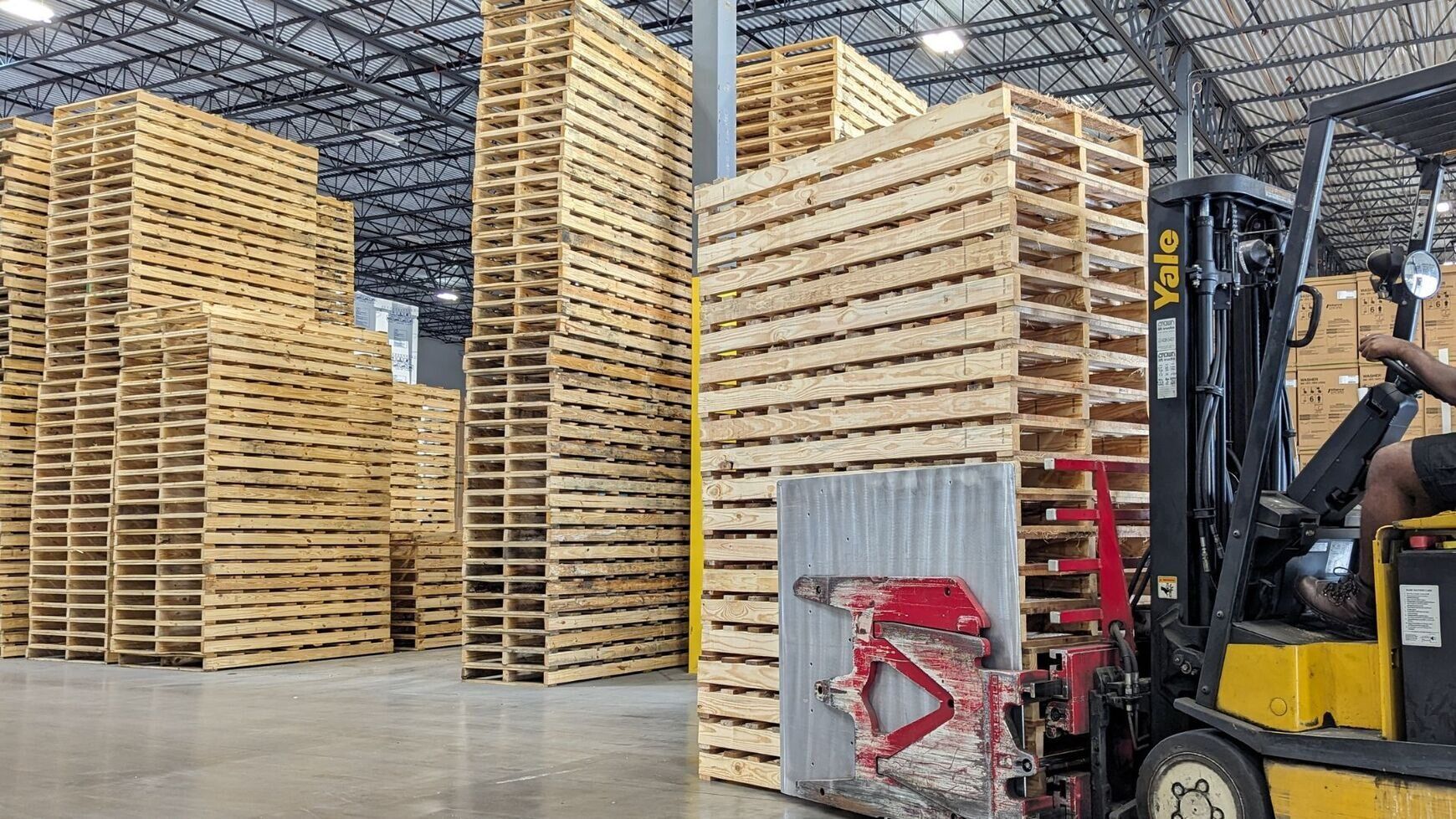
Why Pallet Shortages Happen
Most pallet shortages don’t show up all at once.
They usually build slowly when pallets start moving through the warehouse faster than the reorder routine can keep up.
Here’s what that can look like in real life.
Shipping volume picks up for a couple of weeks. Pallet stacks start shrinking a little faster than usual, but the reorder schedule stays the same. At first it doesn’t seem like a big deal.
Then one day someone walks by and notices the pallet stacks getting low — usually at the exact moment a large shipment needs to leave the dock.
By that point, trying to line up a delivery quickly can get a little stressful.
Common Situations That Lead to Pallet Shortages
If you look back at most pallet shortages, they usually trace back to a few common habits.
- Pallet inventory is estimated instead of counted
- Reorders are triggered by low stacks instead of a planned reorder point
- Shipping volume increases but pallet ordering stays the same
- No one person is clearly responsible for tracking pallet inventory
- Pallet suppliers aren’t contacted until pallets are already running low
None of these things usually cause a problem on their own.But when a few of them happen at the same time, pallet supply can tighten faster than anyone expected.
→ Learn more:
Why Last-Minute Pallet Orders Keep Happening (And How to Prevent Them)

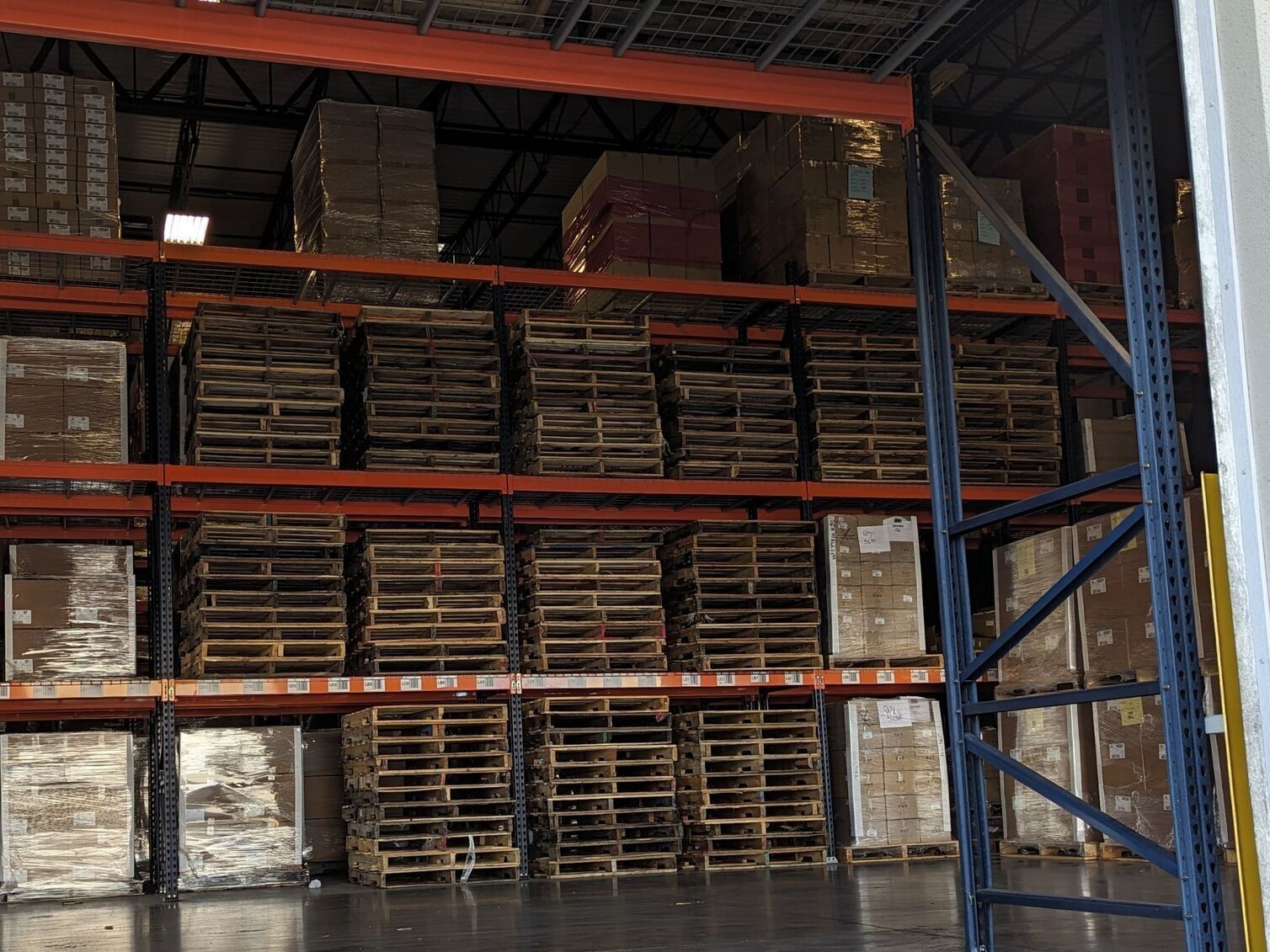
Understanding Pallet Supplier Capacity
If you’ve ever called a pallet supplier for same-day delivery, you’ve likely heard, “We’re pretty heavily booked today.” Unlike retail stores, pallets must be built or repaired, staged, and loaded onto trucks with scheduled routes.
Deliveries are planned in advance, so suppliers ask for lead time. Giving notice helps coordinate production, staging, and delivery, keeping pallet supply running smoothly.
→ Learn more:
Why Every Pallet Supplier Has Limits (And What That Means for Your Business)
How Recycled Pallet Supply Works
Recycled pallets don’t sit in storage. They move through a constant cycle of use, return, repair, and reuse.
After a pallet leaves a facility, it eventually returns to a supplier, where it’s inspected, repaired, and put back into service. Because supply depends on this return-and-repair cycle, availability can shift from week to week.
If returns slow down or repairs get backed up, fewer pallets are ready for delivery. Even if pallets are still in circulation, they aren’t available again until they complete that cycle. Understanding this process helps explain why recycled pallet supply can feel unpredictable.
→ Learn more: Why Recycled 48x40 Pallet Supply Fluctuates in Central Florida
Managing Pallet Inventory
Pallet shortages often start with limited visibility into inventory. Many warehouses track products closely but rely on rough estimates for pallet counts.
Over time, usage can increase while ordering stays the same, tightening supply without notice. Adding simple structure—like regular counts, reorder points, and a small buffer—helps adjust orders as demand changes.
With better visibility, pallet shortages become far less common.

How Warehouses That Avoid Pallet Shortages Manage Inventory
Simple Pallet Inventory Framework
- Monitor pallet usage:
Keep a rough idea of how many pallets move through the facility each week.
- Set a reorder point: Choose an inventory level that triggers the next pallet order before stacks start getting tight.
- Maintain a small buffer: A small cushion of pallets helps absorb normal shipping fluctuations.
Even a lightweight system like this can dramatically reduce last-minute pallet orders.
But inventory tracking is only part of the picture. Pallet availability also depends on something else: lead time.
Understanding Pallet Lead Times
Pallet lead time is the time between placing an order and delivery. It’s usually short for standard sizes like 48×40, but can vary based on production, delivery schedules, and demand. Key factors include pallet type, order size, and how booked the supplier is.
Standard pallets are often available quickly, while custom pallets take longer due to material needs and production scheduling. Larger volumes of custom orders can extend lead times as they move through the queue. Ordering in advance gives suppliers more flexibility to plan production and deliveries, especially during busy shipping periods.
What to Do When Pallets Are Needed Quickly
Even well-run warehouses sometimes face urgent pallet needs when orders spike unexpectedly.
Most suppliers schedule deliveries in advance, loading trucks with multiple stops for efficiency. Last-minute requests may still be handled, but could require adjusted timing, partial deliveries, or pickup by the customer if same-day delivery isn’t possible.
In situations like this, the fastest solution usually comes down to a little flexibility on both sides. → Read the full guide: What to Do When You Need Pallets Fast
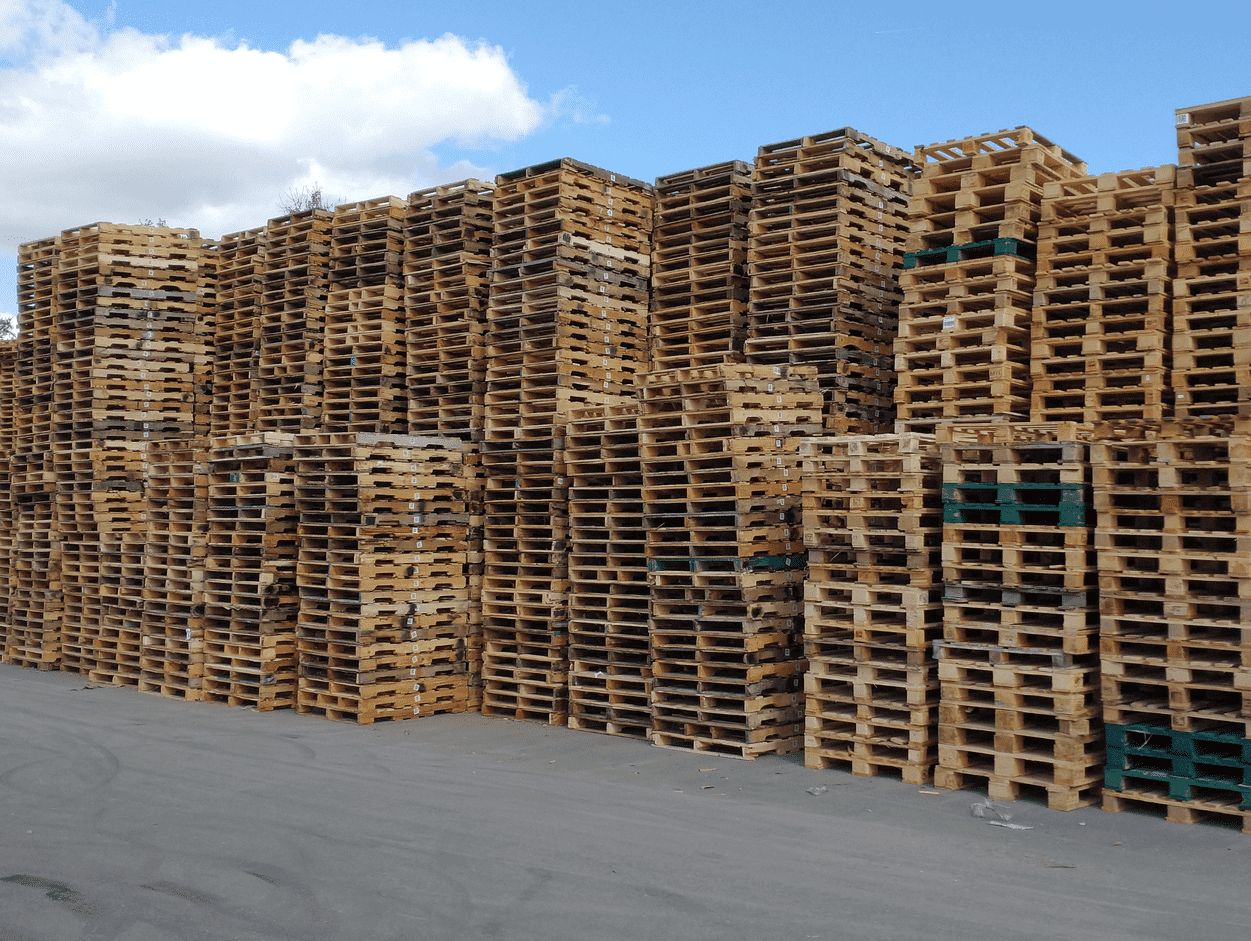
Building a Pallet Backup Plan
Even well-planned pallet supply can hit the occasional bump.
Having a simple backup plan makes those situations much easier to handle.
A pallet backup plan doesn’t need to be complicated. It usually just means thinking through a few options ahead of time so you’re not scrambling if supply tightens. For example, some warehouses keep a relationship with a secondary pallet supplier in case their primary supplier can’t respond quickly enough to a request. That doesn’t necessarily mean anything is wrong — sometimes delivery schedules are already full, production queues are busy, or a last-minute request simply can’t be worked into the day’s schedule.
Having an alternative option available in those situations can make it much easier to keep shipments moving. In other cases, warehouses reduce risk by keeping a slightly larger pallet buffer or planning larger deliveries ahead of periods when shipping activity is expected to increase
.
When those backup options are thought through ahead of time, unexpected supply changes tend to be much easier to work around.
→ Future guide:
How to Build a Pallet Backup Plan
Choosing a Pallet Supplier
Not all pallet suppliers operate the same way.
Understanding what to look for in a pallet supplier — reliability, communication, flexibility, and consistency — can make a big difference in long-term operations.
Read the guide → (Link to article: How to Choose a Pallet Supplier)

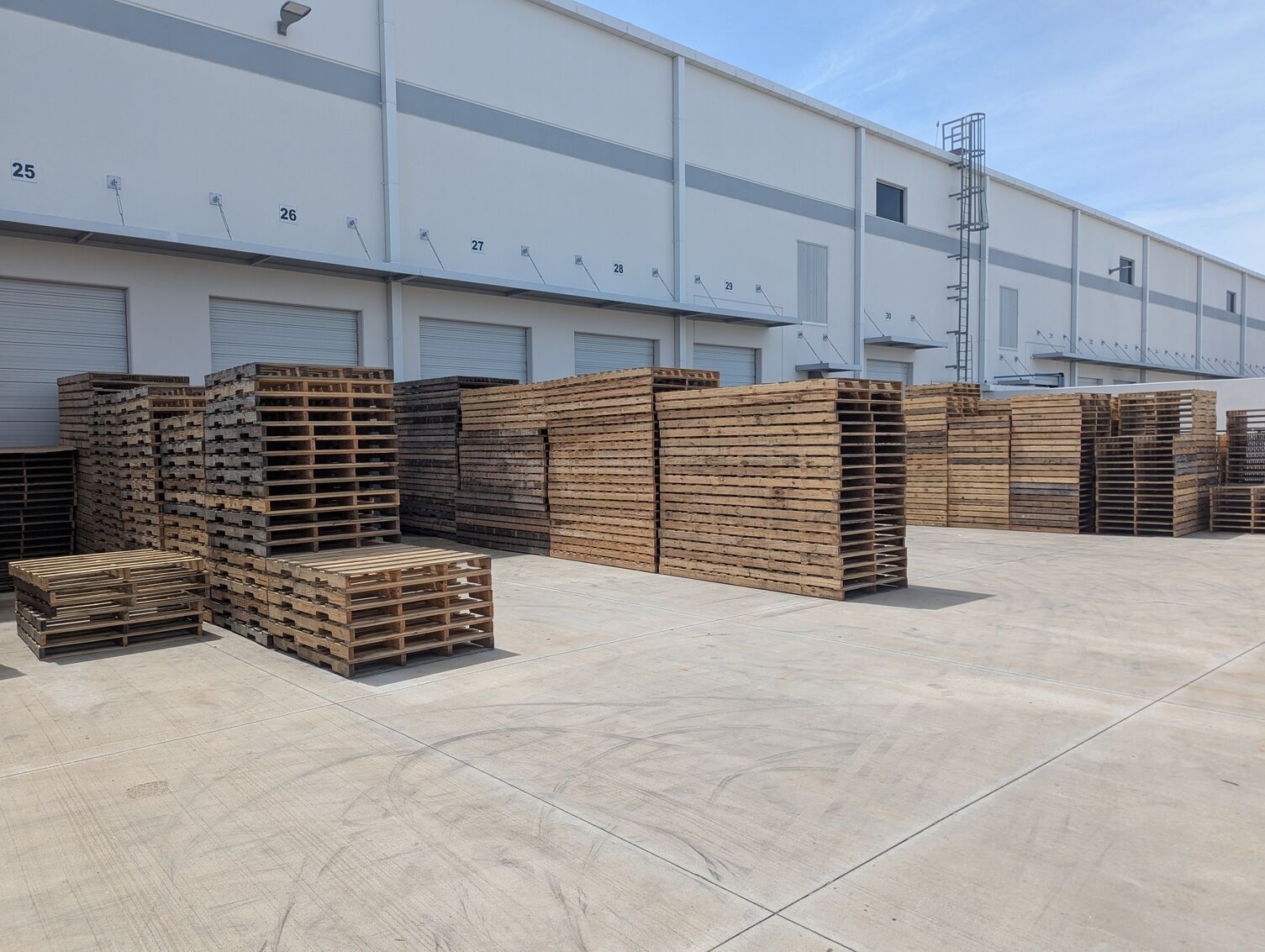
Building a Pallet Backup Plan
One of the simplest ways to reduce pallet risk is building a backup supply plan.A reliable primary supplier combined with secondary options helps ensure pallets are always available when demand changes.
Read the guide → (Link to article: How to Build a Pallet Backup Plan)
Warning Signs Your Pallet Supply May Be at Risk
Pallet supply issues rarely appear without warning.
Small signals usually show up first if you know what to watch for.
- Pallet inventory checks becoming irregular
- Reorder timing drifting later than usual
- Delivery lead times starting to extend
- Multiple suppliers mentioning similar scheduling pressure
- Urgent pallet requests happening more frequently
When several of these signals start appearing at the same time, pallet supply may be tightening.
Recognizing those patterns early gives you a chance to adjust pallet orders before shipments are affected.
When several of these signals appear at once, pallet supply may be tightening. Recognizing them early gives you time to adjust orders before shipments are affected.
Pallet planning can also vary by region. In Central Florida, high warehouse and distribution activity drives pallet demand, especially along the I-4 corridor connecting Orlando, Sanford, Apopka, Kissimmee, and Lakeland. As shipping volume increases, so does the need for pallets.
For recycled pallets, supply depends on how quickly used pallets return and move through repair. If they move out faster than they come back, availability can tighten. Ordering earlier helps reduce the impact of these regional shifts.
Supporting Guides for Pallet Supply Planning
This guide covers the fundamentals of pallet supply planning. If you'd like to explore specific pallet supply challenges in more detail, the guides below break down several of the situations discussed above.
Current Guides
→ Why Every Pallet Supplier Has Limits (And What That Means for Your Business) → What to Do When You Need Pallets Fast
→ Why Last-Minute Pallet Orders Keep Happening (And How to Prevent Them) → Why Recycled 48x40 Pallet Supply Fluctuates in Central Florida
Additional Guides Coming Soon:
→ How to Prevent Pallet Supply Shortages
→ How Much Pallet Inventory Should You Keep
→ How to Build a Pallet Backup Plan
You can also explore additional pallet supply insights in our full Pallet Problems & Solutions resource hub.

What Successful Pallet Supply Planning Comes Down To
Pallet supply planning doesn’t require complicated systems. In most cases, it comes down to understanding how pallet supply actually works and adjusting your ordering habits accordingly.
Most pallet supply challenges come down to a few simple things:
- Pallet shortages usually develop gradually rather than overnight
- Supplier production schedules affect how quickly pallets can be delivered
- Recycled pallet availability depends on how quickly pallets return and move through repair
- Keeping a regular count of pallet inventory helps prevent last-minute surprises Communicating with pallet suppliers earlier makes deliveries easier to schedule
Once those pieces are understood, pallet supply tends to become much easier to manage.
Explore More Pallet Supply Solutions
Pallet planning is only one part of the larger pallet supply picture.
Other factors — like pallet quality, supplier coordination, pricing shifts, or custom pallet design — can affect shipping operations as well.
If you'd like to explore more of those topics, you can find additional guides here: → Visit the
Pallet Problems & Solutions hub
Frequently Asked Questions
How far in advance should pallet orders be placed?
Ideally, place orders a few days before they’re needed. Standard pallets like 48×40 usually need just a few days’ notice, while custom pallets require more time to build. Keeping a small on-site buffer also helps cover unexpected shipping spikes.
Why do pallet shortages happen?
Shortages usually develop gradually. Shipping volume increases, pallets move faster than expected, and reorder timing doesn’t adjust. The issue is often noticed only when pallet stacks run low.
Do pallet suppliers keep large inventories on hand?
Most suppliers don’t keep large reserves. They’re constantly producing new pallets, repairing used ones, staging orders, and coordinating deliveries. Ordering a few days ahead gives them time to prepare and schedule deliveries.
Why does recycled pallet availability fluctuate?
Recycled pallet supply depends on how quickly used pallets return and move through inspection and repair. Slow returns or repair backups can temporarily reduce pallets ready for delivery.
What’s the easiest way to prevent pallet shortages?
Better inventory visibility and early communication with your supplier are key. Two habits make the biggest difference:
Regularly counting pallet inventory
Alerting your supplier early when shipping increases
How many pallets should a warehouse keep in inventory?
Keep enough pallets on-site to cover several days of normal shipping. The exact number depends on shipment volume, pallet size, and supplier delivery speed.
How quickly can pallet deliveries usually be scheduled?
Standard pallets like 48×40 can usually be scheduled within a few days. Custom pallets take longer, depending on build time, order size, and supplier schedules. Ordering earlier gives suppliers more flexibility.
Can pallet suppliers handle last-minute pallet orders?
Sometimes, depending on how busy their delivery and production schedules are. If same-day delivery isn’t possible, alternatives may include next-day delivery or customer pickup.
Need Help Planning Your Pallet Supply?
Sometimes the fastest way to resolve a pallet issue is simply talking through it with someone who understands how pallet supply actually works.
If you’re dealing with shortages, custom pallet needs, recycling questions, or delivery coordination challenges, The Pallet Pro is here to help.
Businesses across Orlando, Sanford, Apopka, Kissimmee, and throughout Central Florida rely on The Pallet Pro when pallet questions come up.
If you’d like to review your situation, you can get in touch here: