

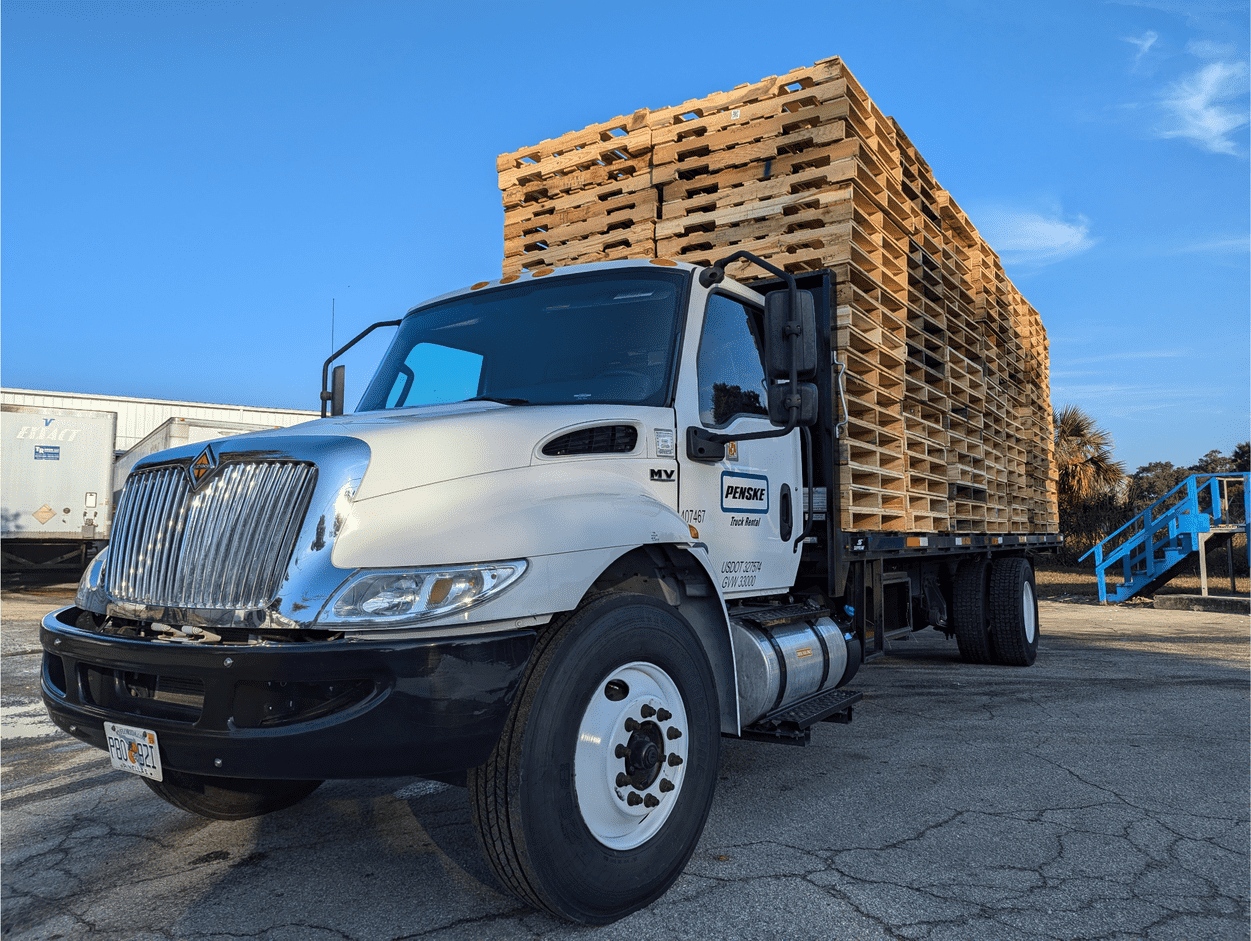
Why Warehouses Sometimes Need Pallets in a Hurry Most urgent pallet requests don’t come from a single mistake. They usually happen when several small things line up at the same time. A warehouse might see a sudden increase in outbound shipments. Pallet breakage might run higher than usual. Or a previous pallet delivery might get delayed. In fast-moving logistics environments, pallet demand can shift quickly. Distribution centers often adjust shipping volume week to week, and it doesn’t take much for pallet inventory to tighten. When inventory drops faster than expected, operations teams suddenly find themselves searching for pallets immediately so shipping operations can continue. First Step: Call Your Pallet Supplier Right Away When pallets are needed quickly, your current pallet supplier should almost always be your first call. A pallet supplier who already understands your operation usually has the best chance of helping quickly. They may be able to adjust an upcoming delivery, move part of an order earlier, or provide a partial shipment that helps cover immediate needs. In some situations, a pallet supplier may also coordinate a pallet delivery from another location within their network. Even when the schedule is tight, early communication often opens up options that may not exist later in the day. The sooner your pallet supplier knows about the situation, the more flexibility they usually have to help. Be Flexible With the Type or Size of Pallets You Use When pallets are needed urgently, flexibility can sometimes solve the problem faster than waiting for a very specific pallet type. For example, many warehouses can temporarily use a recycled A-grade pallet instead of a new pallet . Structurally, an A-grade pallet will usually perform just as well for shipping. The main consideration is whether the receiving customer has any appearance requirements that call for new pallets. Another option is using a slightly different pallet size than you normally order. In some situations, a pallet supplier may have inventory available in a size that is close to what you use but not exactly the same. For instance, if your operation typically uses a 48×40 pallet , a 48×36 or 48×48 pallet might work temporarily just to keep shipments moving. This doesn’t mean permanently changing pallet standards. It simply means working with your pallet supplier to find a practical short-term solution until your normal pallet supply is available again. Experienced pallet suppliers deal with situations like this regularly and can often suggest workable alternatives that keep shipments moving. When It Helps to Contact Another Pallet Supplier If your primary pallet supplier can’t deliver pallets quickly enough, the next step may be expanding the search. Sometimes another local pallet supplier in the area simply has more flexibility that day. Their production schedule may be lighter, they may have a truck already running nearby, or they may be able to adjust their delivery routes more easily. This is also where the relationship with your pallet supplier matters. A strong pallet supplier understands that keeping your operation running is the priority. If they know another pallet supplier nearby who may be able to respond faster, many will point you in that direction rather than leaving you stuck. In some cases, pallet suppliers may even help coordinate a solution behind the scenes — working with another supplier to secure pallets and get them delivered as quickly as possible. Because of this, operations teams that maintain relationships with more than one pallet supplier often resolve emergency pallet shortages much faster. Developing those kinds of supplier relationships is one of the key principles of planning pallet supply effectively. Sometimes the fastest way to solve a pallet shortage is simply having the right relationships in place.
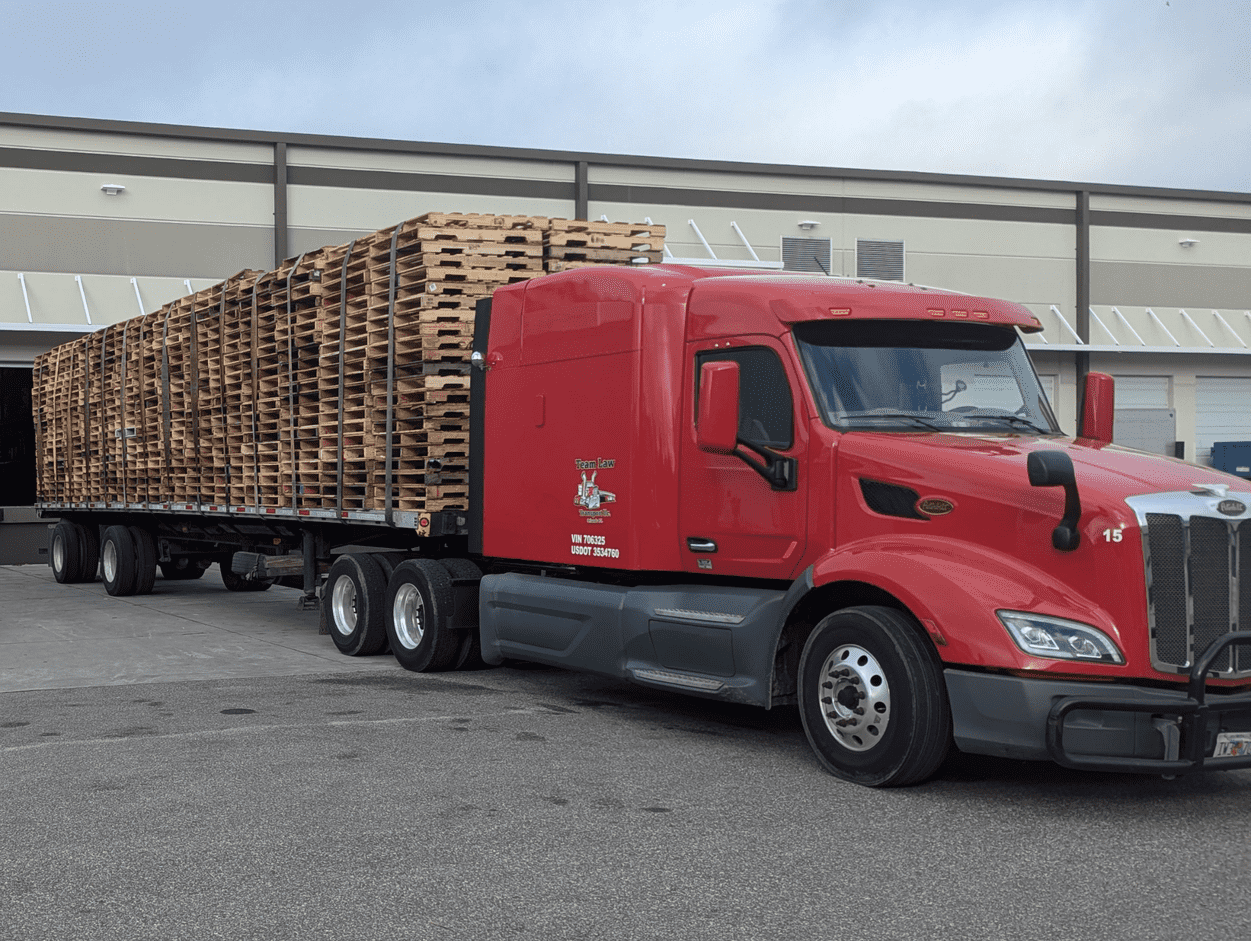
Learn why pallet suppliers have limits & how it affects your business. Plan ahead to avoid disruptions. Contact us for tailored solutions!
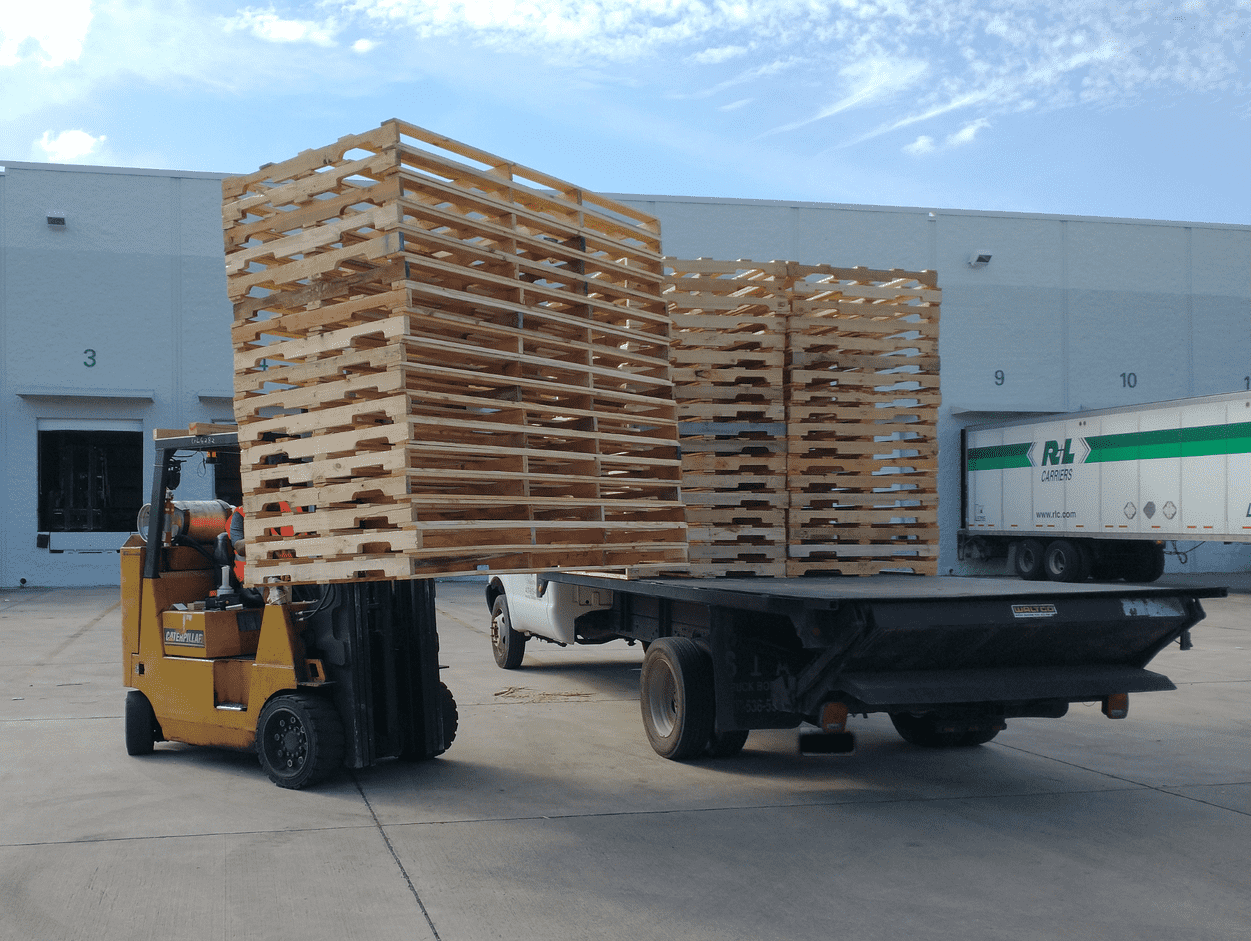
Learn why last-minute pallet orders happen & how to prevent them. Contact us for tailored pallet solutions today!
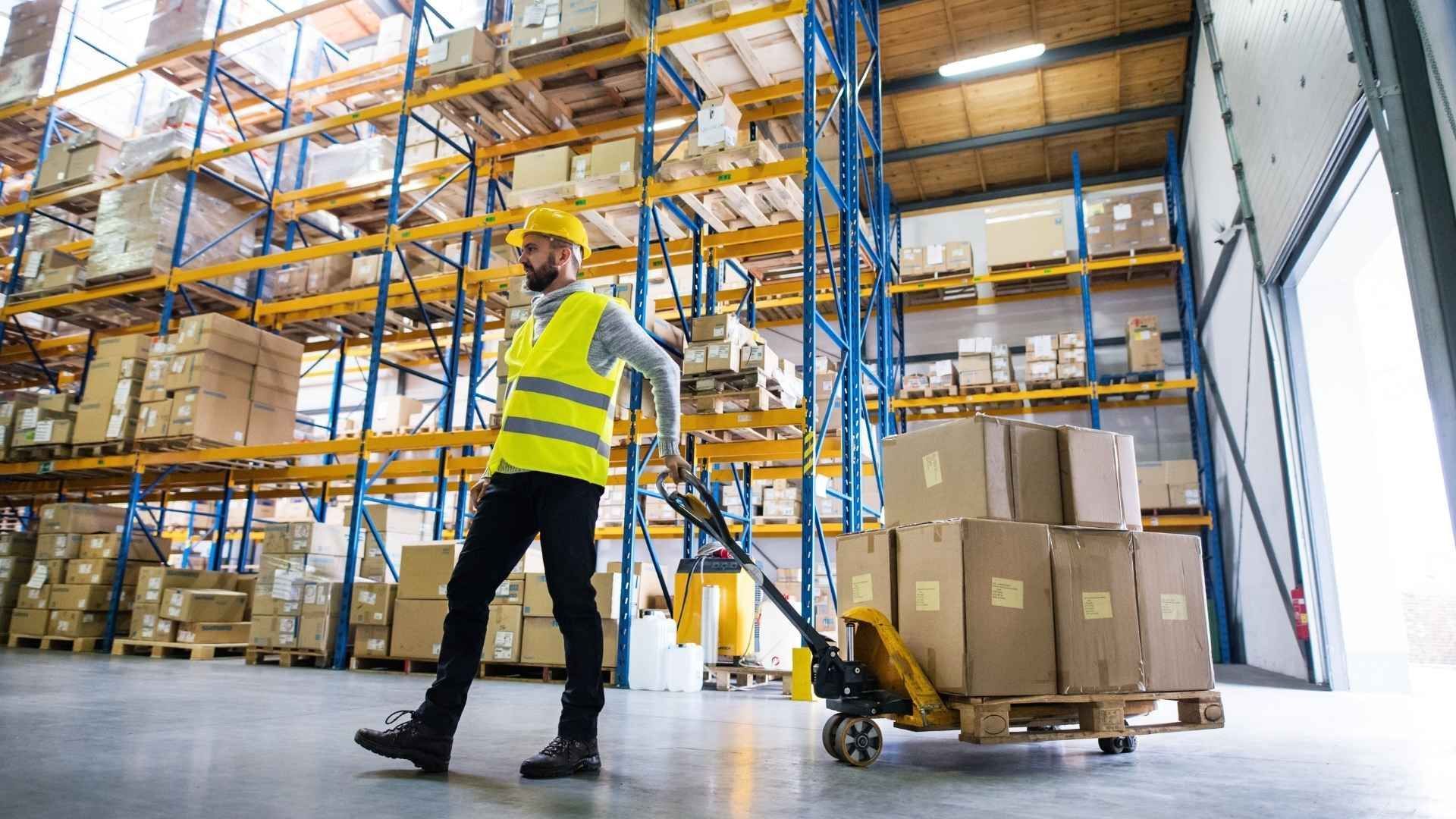
Learn why relying on one pallet supplier is risky. Diversify your vendors to ensure a steady supply chain. Contact us for tailored solutions!

Learn how to stay ahead of pallet price changes in Orlando. Discover how to save big on pallet costs without scrambling during price hikes. Plan smarter today!
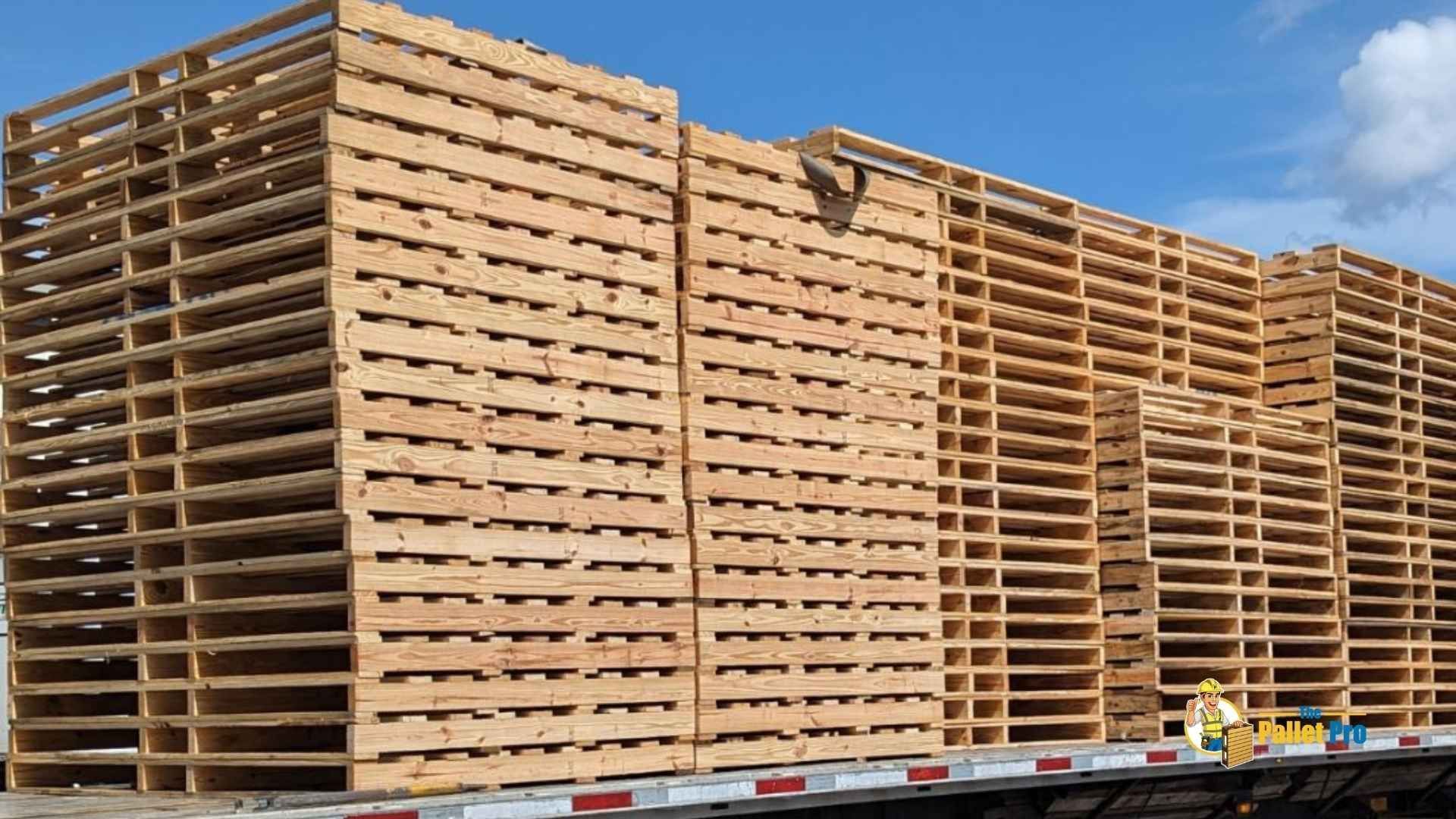
Avoid Uline's high pallet prices. Choose local suppliers for better rates. Contact us for your pallet needs today!

Just because a pallet works for one business doesn’t mean it’s the right fit for yours.
Thinking all pallets are the same is like saying all shoes are the same. Sure, they all do the basic job, but you wouldn't wear flip-flops to run a marathon, would you? I’m here to tell you that if you don’t know the details of how you’re using your pallets, you might be throwing money down the drain - or worse, screwing up your operations.
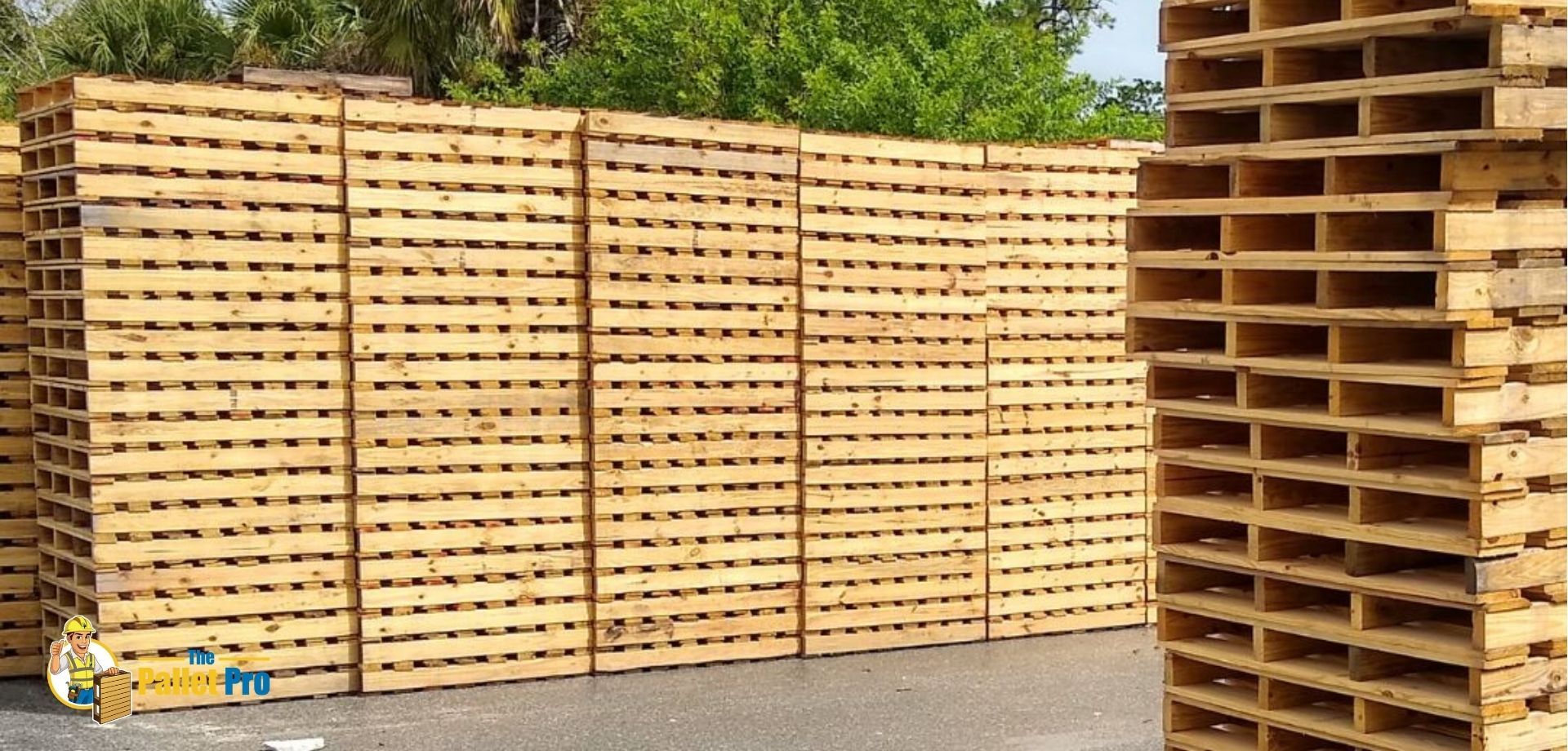
Have you ever looked at how much you’re spending on pallets and said to yourself, “They’re just wood and nails. How can they possibly cost that much?!?”

If you’re looking for a wood pallet that’s strong, clean, built to accurate dimensions and looks great, a new pallet is worth considering.