Why Every Pallet Supplier Has Limits (And What That Means for Your Business)
Pallet suppliers operate within real production, labor, and delivery limits that affect pallet availability and lead times. Understanding these limits helps warehouse teams plan pallet orders earlier and avoid unexpected supply disruptions.
Here’s something many operations teams don’t fully consider until it’s too late: No pallet supplier has unlimited output.
Every pallet company works within real-world limits — production schedules, available trucks, lumber supply, and crew availability.
When those limits aren’t understood ahead of time, the results tend to look the same: delayed shipments, rushed orders, and unnecessary stress inside the warehouse.
Understanding how pallet supply actually works isn’t about making excuses. It’s about planning pallet orders in a way that keeps operations running smoothly.
And for businesses across Orlando and Central Florida, that planning can make a big difference

What Pallet Supplier Capacity Really Means
When suppliers talk about capacity, they’re not talking about willingness to help.
They’re talking about the practical limits that determine how many pallets can realistically be produced and delivered within a given period.
Those include things like:
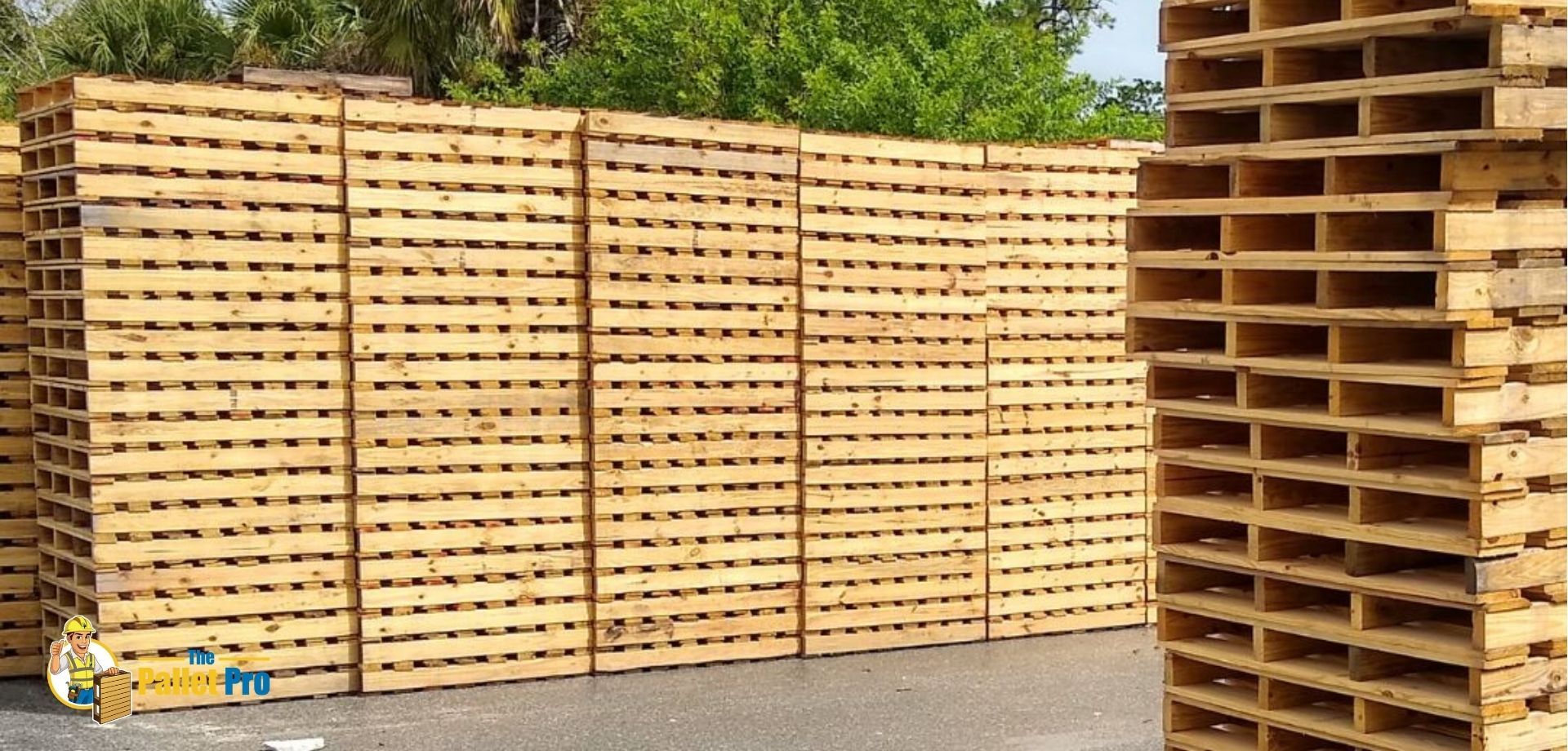
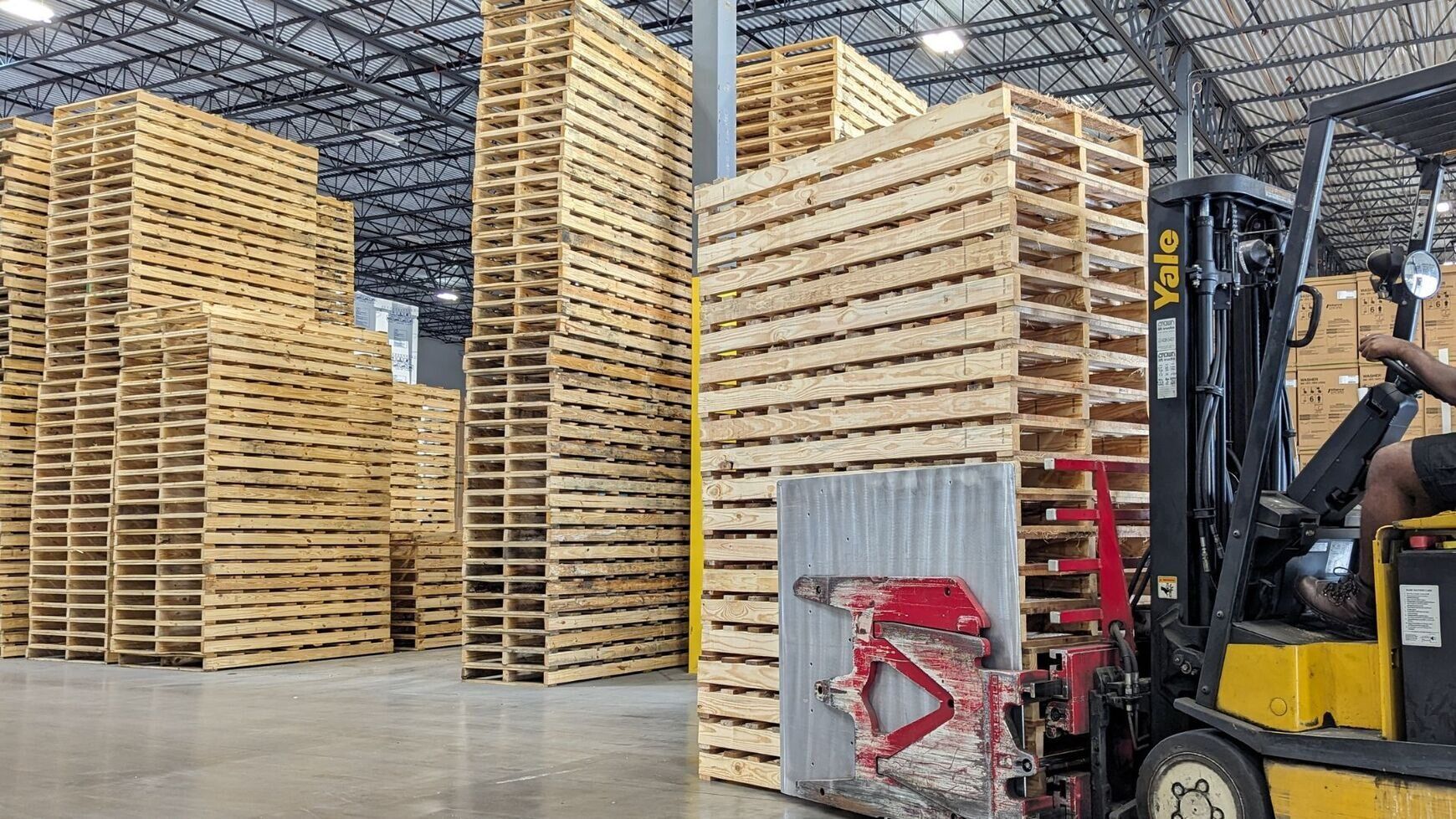
- Daily pallet production output limits how many pallets can be built in a shift
- Lumber supply determines how quickly new pallet builds can begin
- Labor and crew scheduling affect how many orders can be processed at once
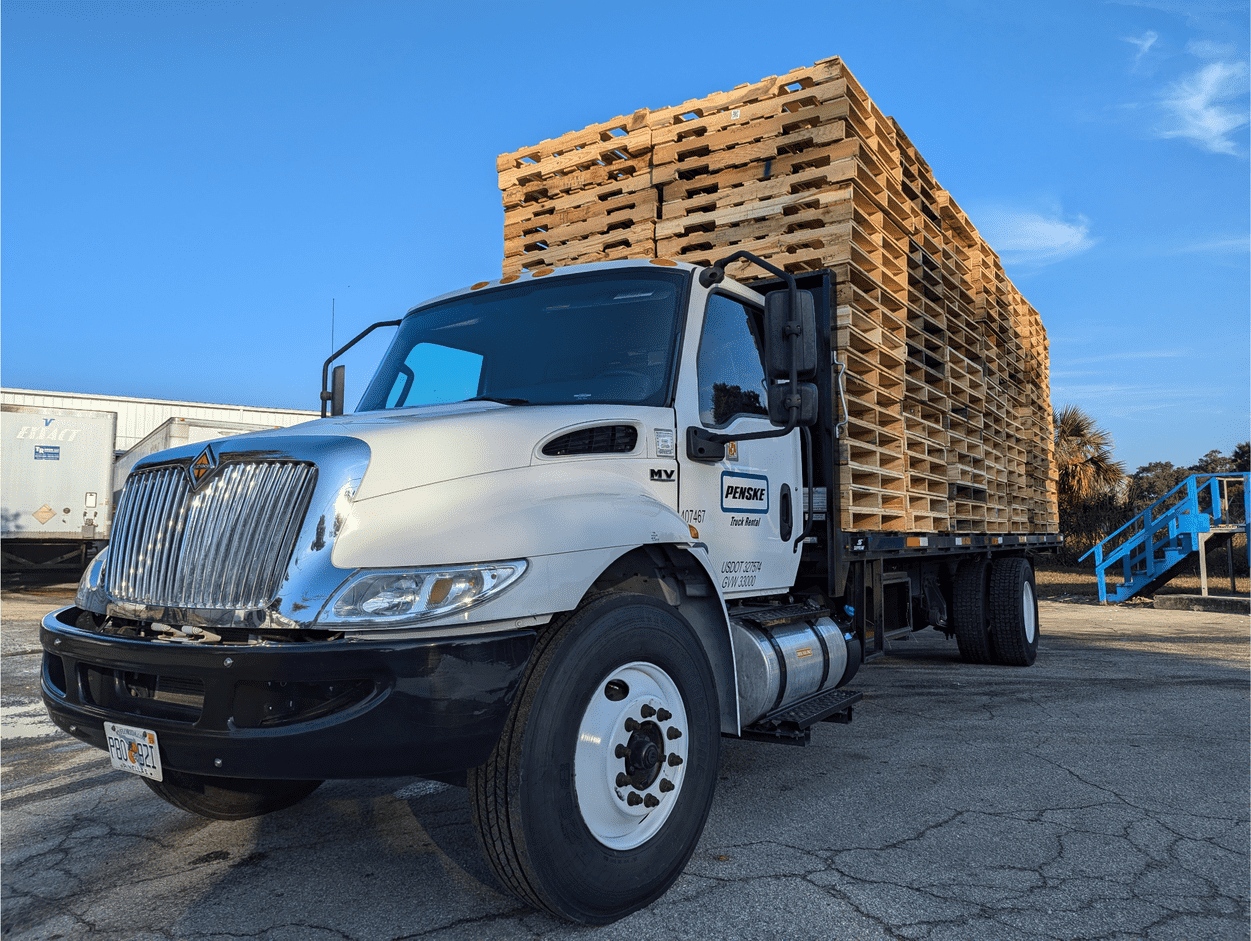
- Delivery truck routing determines when pallets can actually reach your facility
- Existing production commitments take priority over new incoming orders
Every supplier operates within a system.
Even a well-run pallet company can’t suddenly double production overnight without affecting quality, delivery schedules, or both.
This applies whether you're ordering standard 48x40 pallets or a fully custom pallet design.
Understanding these constraints helps buyers set realistic timelines and avoid last-minute disruptions.
Capacity limits are behind many of the pallet challenges buyers run into — from rush order constraints to inconsistent lead times. When those limits aren’t understood early, the same types of issues tend to repeat.
Why Pallet Orders Can’t Always Be Filled Immediately
Most pallet buyers assume that if pallets are available somewhere, they can be delivered right away.
In reality, several factors affect how quickly a supplier can respond.
Production Schedules
Pallet production is planned in advance — not assembled on demand.
Custom pallets require specific lumber, cutting, assembly, and quality checks. Even standard pallets move through structured production runs.
When a production schedule is already full, adding a large new order isn’t as simple as squeezing it in. It may require shifting labor, adjusting material flow, or delaying existing commitments.
Reliable suppliers protect their schedules for a reason: it keeps deliveries consistent.
Lumber Market Conditions
Pallet suppliers depend heavily on lumber availability.
When lumber supply tightens or prices fluctuate, it can affect both production timing and inventory levels.
Material shortages don’t just impact price — they can slow production.
When production slows, delivery timelines can stretch. That’s usually when warehouse teams begin to feel the pressure.
Delivery Schedules and Truck Availability
Production is only part of the equation.
Pallets still have to be delivered to your facility, and transportation has limits of its own. Delivery schedules are built around:
- Truck availability
- Driver routing and hours
- Fuel and operating costs
- Customer dock scheduling
When trucks are already committed to planned routes, adding an emergency delivery often means reshuffling drivers, adjusting routes, or delaying other stops.
Sometimes that’s possible.
Sometimes it isn’t.
Seasonal Demand Can Tighten Pallet Supply

Pallet demand doesn’t stay the same all year.
In Central Florida, several industries create predictable swings in demand. For example:
- Distribution ramps up before peak retail seasons
- Agricultural operations fluctuate with harvest cycles
- Construction supply chains expand during growth periods
When several industries scale up at the same time, demand for pallets rises quickly.
Even strong suppliers can feel temporary strain during these periods.
âš Warning Signs Your Pallet Supply May Be at Risk
Pallet supply problems rarely appear all at once. In many cases, there are early warning signs that pallet demand and planning are starting to fall out of sync.
If your warehouse regularly experiences any of the following, pallet supply planning may need improvement:
- Pallet counts are estimated rather than verified.
- Inventory checks happen irregularly instead of on a set schedule.
- Reorders are triggered only when pallets are nearly gone.
- Emergency delivery requests happen repeatedly during peak periods.
- No one can clearly state how many pallets are currently on site.
What Happens When Pallet Supply Is Treated As Unlimited
When businesses assume pallets will always be available immediately, problems usually follow. Common outcomes include:
- Outbound shipments are delayed while pallets are sourced
- Deliveries arrive partially or need to be split across multiple shipments
- Expedited delivery costs increase to resolve urgent shortages
- Warehouse teams scramble to find additional pallet suppliers
- Internal pressure rises when shipments can't move on schedule
These situations are often blamed on pallet suppliers.
But in many cases, they happen because ordering timelines didn’t match production realities.
When pallet orders arrive too late in the cycle, even a reliable supplier may struggle to respond quickly.
The result isn’t poor service.
It’s preventable friction.
These outcomes aren’t random — they’re predictable when ordering timelines don’t align with production capacity. We explore these situations in more detail in our Pallet Problems & Solutions resource center.
How Well-Run Businesses Avoid Pallet Emergencies
The companies that deal with fewer pallet emergencies usually follow a few consistent practices.
They don’t rely on luck.
They manage their pallet demand intentionally.
Common habits include:
- Forecasting pallet demand ahead of seasonal increases
- Communicating upcoming volume changes early
- Maintaining reasonable safety stock
- Developing backup supplier relationships
- Avoiding last-minute ordering when inventory is critically low
These habits don’t require inside knowledge of a pallet supplier’s production schedule.
They simply require better visibility into pallet demand and a little more foresight.
Most pallet emergencies can be avoided when suppliers have earlier notice.
Planning pallet supply doesn’t require perfect predictions — just better systems. We break down a practical planning framework in our How to Plan Your Pallet Supply guide.
Why Communication Matters in Pallet Supply
Clear communication between buyer and supplier plays a major role in keeping pallet supply stable.
When suppliers understand things like:
- Expected monthly pallet volume requirements
- Planned product launches that increase pallet demand
- Seasonal demand increases that require additional pallets
- Changes in storage requirements that affect pallet usage
- Adjustments to delivery windows or dock scheduling
They can plan production and transportation accordingly.
That planning reduces surprises.
And fewer surprises mean fewer disruptions.
How This Affects Businesses in Central Florida
Businesses across Orlando, Sanford, Apopka, Kissimmee, and the rest of Central Florida operate in fast-moving supply chains.
Distribution centers expand.
Tourism creates seasonal demand shifts.
Construction projects ramp up.
Manufacturing schedules change.
When those things shift, pallet demand shifts with them.
Understanding how pallet supply works helps businesses:
- Order pallets before inventory runs tight
- Avoid emergency deliveries
- Coordinate drop-offs more smoothly
- Keep warehouse operations steady
Pallet supply works best when expectations match how the system actually operates.
When that happens, supply becomes far more predictable.
Planning Prevents Pallet Emergencies
Pallet supply works best when it’s planned ahead of time, not rushed at the last minute.
Understanding how pallet production and delivery schedules work helps businesses avoid unexpected shortages, reduce emergency orders, and keep warehouse activity running smoothly.
For many operations teams, simply planning pallet needs a little earlier can eliminate most pallet supply problems before they start.
Learn How to Plan Your Pallet Supply
If you're looking for a deeper breakdown of how pallet supply works — including forecasting demand, managing lead times, and building backup supplier options — explore our full guide:
→ How to Plan Your Pallet Supply
Explore More Pallet Supply Solutions
Pallet supply challenges can show up in many different ways — from shortages and delivery timing to custom pallet design or recycling options.
You can explore our full library of pallet supply guides here:
Need Help With a Pallet Supply Question?
If you're dealing with a pallet supply challenge or planning ahead for future demand, The Pallet Pro is always happy to talk through the situation.
Sometimes a short conversation can prevent a much bigger pallet problem later. → Contact The Pallet Pro
Common Questions About Pallet Supplier Capacity
Can pallet suppliers deliver pallets immediately?
Not always. Most pallet suppliers operate on scheduled production runs and delivery routes. If a production schedule or truck route is already full, a new order may need to wait for the next available slot.
Why do pallet orders sometimes take several days?
Pallet delivery timelines depend on pallet production schedules, lumber availability, and truck routing. When suppliers already have scheduled orders, new requests are typically added to the next available production window.
What is the best way to avoid pallet shortages?
Planning ahead is the most effective solution. Forecasting pallet demand, maintaining safety stock, and communicating upcoming volume changes with suppliers can prevent most pallet shortages.
Do all pallet suppliers have production limits?
Yes. Every pallet supplier operates within limits related to labor, lumber supply, production equipment, and transportation capacity. Understanding these limits helps businesses plan pallet supply more effectively.