The Role of Pallet Quality in Supply Chain Success: Insights from Central Florida Experts

The Pallet Pro Team

Pallet quality is a crucial factor that significantly influences supply chain efficiency and success.

In Central Florida, experts recognize the importance of choosing the right pallets, whether they're new wood pallets, custom wood pallets, recycled pallets, custom pallets, or heat-treated pallets. In this article, we'll explore the role of pallet quality in supply chain success and gain insights from Central Florida experts on best practices for pallet management.

Maximizing Reliability with New Wood Pallets:

New wood pallets offer unmatched reliability and durability for supply chain operations in Central Florida. With consistent quality and strength, new pallets minimize the risk of product damage during transportation and storage. Central Florida experts recommend investing in new wood pallets to ensure the smooth flow of goods through the supply chain and reduce the likelihood of disruptions.

Tailoring Solutions with Custom Wood Pallets:

Custom wood pallets provide a tailored solution for Central Florida businesses with unique product dimensions or handling requirements. By customizing pallet dimensions, materials, and features, businesses can optimize efficiency and minimize waste in their supply chain operations. Central Florida experts emphasize the importance of investing in custom wood pallets to address specific challenges and maximize supply chain performance.

Sustainability and Cost Savings with Recycled Pallets:

Recycled pallets offer a sustainable and cost-effective alternative for Central Florida businesses looking to minimize environmental impact and reduce costs. Made from reclaimed wood materials, recycled pallets provide comparable durability and reliability to new pallets at a lower cost. Central Florida experts recommend incorporating recycled pallets into supply chain operations to achieve sustainability goals and realize significant cost savings.

Enhancing Safety and Compliance with New Pallets:

New pallets, whether made from wood or alternative materials, prioritize safety and compliance for Central Florida businesses. With new pallets, there's minimal risk of structural defects or damage that could compromise product integrity during transportation. Central Florida experts stress the importance of investing in new pallets to ensure compliance with industry regulations and maintain product quality and safety standards.

Tailoring Solutions for Optimal Performance:

Central Florida businesses recognize the value of tailored pallet solutions designed to meet their specific needs. Whether it's the size and weight of products, compatibility with handling equipment, or compliance with industry standards, custom pallet solutions offer a personalized approach to supply chain optimization. Central Florida experts recommend partnering with pallet suppliers that offer custom pallet solutions to achieve optimal performance and efficiency in supply chain operations.

Ensuring International Compliance with Heat Treated Pallets:

For Central Florida businesses engaged in international trade, heat treated pallets are essential to ensure compliance with international shipping regulations. Heat treated pallets undergo a specialized treatment process that eliminates pests and pathogens, making them suitable for international transportation. Central Florida experts advise businesses involved in global supply chains to prioritize heat treated pallets to avoid delays and compliance issues.

Choosing the right pallets is essential to optimize efficiency

Pallet quality plays a critical role in supply chain success for Central Florida businesses. Whether it's new wood pallets, custom wood pallets, recycled pallets, new pallets, custom pallets, or heat-treated pallets, choosing the right pallets is essential to optimize efficiency, reliability, and compliance. By partnering with trusted pallet suppliers and investing in quality pallet solutions , Central Florida businesses can enhance their supply chain performance and achieve greater success in today's competitive market.
Need help choosing the right pallets for your business?  Contact The Pallet Pro today to learn how we can help optimize efficiency for your business with pallet management solutions tailored to your business needs.

By The Pallet Pro Team April 7, 2026
Why Warehouses Sometimes Need Pallets in a Hurry Most urgent pallet requests don’t come from a single mistake. They usually happen when several small things line up at the same time. A warehouse might see a sudden increase in outbound shipments. Pallet breakage might run higher than usual. Or a previous pallet delivery might get delayed. In fast-moving logistics environments, pallet demand can shift quickly. Distribution centers often adjust shipping volume week to week, and it doesn’t take much for pallet inventory to tighten. When inventory drops faster than expected, operations teams suddenly find themselves searching for pallets immediately so shipping operations can continue. First Step: Call Your Pallet Supplier Right Away When pallets are needed quickly, your current pallet supplier should almost always be your first call. A pallet supplier who already understands your operation usually has the best chance of helping quickly. They may be able to adjust an upcoming delivery, move part of an order earlier, or provide a partial shipment that helps cover immediate needs. In some situations, a pallet supplier may also coordinate a pallet delivery from another location within their network. Even when the schedule is tight, early communication often opens up options that may not exist later in the day. The sooner your pallet supplier knows about the situation, the more flexibility they usually have to help. Be Flexible With the Type or Size of Pallets You Use When pallets are needed urgently, flexibility can sometimes solve the problem faster than waiting for a very specific pallet type. For example, many warehouses can temporarily use a recycled A-grade pallet instead of a new pallet . Structurally, an A-grade pallet will usually perform just as well for shipping. The main consideration is whether the receiving customer has any appearance requirements that call for new pallets. Another option is using a slightly different pallet size than you normally order. In some situations, a pallet supplier may have inventory available in a size that is close to what you use but not exactly the same. For instance, if your operation typically uses a 48×40 pallet , a 48×36 or 48×48 pallet might work temporarily just to keep shipments moving. This doesn’t mean permanently changing pallet standards. It simply means working with your pallet supplier to find a practical short-term solution until your normal pallet supply is available again. Experienced pallet suppliers deal with situations like this regularly and can often suggest workable alternatives that keep shipments moving. When It Helps to Contact Another Pallet Supplier If your primary pallet supplier can’t deliver pallets quickly enough, the next step may be expanding the search. Sometimes another local pallet supplier in the area simply has more flexibility that day. Their production schedule may be lighter, they may have a truck already running nearby, or they may be able to adjust their delivery routes more easily. This is also where the relationship with your pallet supplier matters. A strong pallet supplier understands that keeping your operation running is the priority. If they know another pallet supplier nearby who may be able to respond faster, many will point you in that direction rather than leaving you stuck. In some cases, pallet suppliers may even help coordinate a solution behind the scenes — working with another supplier to secure pallets and get them delivered as quickly as possible. Because of this, operations teams that maintain relationships with more than one pallet supplier often resolve emergency pallet shortages much faster. Developing those kinds of supplier relationships is one of the key principles of planning pallet supply effectively. Sometimes the fastest way to solve a pallet shortage is simply having the right relationships in place.
By The Pallet Pro Team April 7, 2026
How Recycled 48x40 Pallets Actually Circulate Recycled pallets don’t sit in permanent inventory the way new pallets can. They move in a continuous loop. A 48x40 pallet leaves a facility under product. Once it’s unloaded, it becomes a used pallet — often called a core. From there, it has to be recovered, transported back to a yard, inspected, repaired if needed, graded, and restacked before it becomes usable inventory again. That entire cycle takes time. If pallets return more slowly from warehouses, fewer cores enter the repair stream. If repair throughput slows, finished pallets aren’t cleared as quickly. In either case, available recycled 48x40 supply tightens. Nothing may be “wrong” operationally. The system is simply moving more slowly than demand. Why How Fast Pallets Come Back Matters When it comes to recycled 48x40 supply, the key question isn’t how many pallets exist in the region. It’s how quickly they’re returning. Return flow can slow down for very normal operational reasons. Distribution centers may hold used pallets longer during busy shipping periods. Dock congestion can delay pickup. Freight routes may change. Some warehouses may reuse pallets internally before releasing them. Each of those decisions makes sense on its own. But when several of them happen at the same time, fewer 48x40 pallets make it back into the repair stream. And when that happens across multiple facilities, availability can tighten faster than most buyers expect. Pallets Still Have to Be Inspected and Repaired Even when used pallets are returning steadily, they still have to move through inspection and repair before they’re ready to be delivered again. That process depends on yard space, labor availability, incoming volume, and even weather conditions. When a large number of used pallets arrive at once, repair lines can temporarily back up. Pallets may be sitting in the yard, but they haven’t yet been inspected, graded, and cleared for shipment. From a warehouse perspective, it can feel like supply tightened overnight. In reality, the pallets are still in the system — they just aren’t finished yet. This timing gap is one of the most misunderstood parts of recycled pallet supply. How Central Florida’s Logistics Patterns Affect Recycled Supply Businesses across Orlando, Sanford, Apopka, and Kissimmee operate in fast-moving logistics environments. Distribution continues to expand along the I-4 corridor. Tourism drives seasonal retail demand. Construction activity fluctuates. Grocery and manufacturing volumes shift throughout the year. When freight volume increases across multiple sectors at the same time, demand for 48x40 pallets rises quickly. But pallet returns don’t always increase at the same pace. That mismatch slows circulation relative to demand. And because 48x40 is the dominant shipping footprint in most facilities, even small shifts in timing can feel amplified in day-to-day operations. Many of these broader pallet supply patterns are explained in more detail in our Pallet Problems & Solutions resource center.
By The Pallet Pro Team April 7, 2026
Pallet suppliers operate within real production, labor, and delivery limits that affect pallet availability and lead times. Understanding these limits helps warehouse teams plan pallet orders earlier and avoid unexpected supply disruptions. Here’s something many operations teams don’t fully consider until it’s too late: No pallet supplier has unlimited output. Every pallet company works within real-world limits — production schedules, available trucks, lumber supply, and crew availability. When those limits aren’t understood ahead of time, the results tend to look the same: delayed shipments, rushed orders, and unnecessary stress inside the warehouse. Understanding how pallet supply actually works isn’t about making excuses. It’s about planning pallet orders in a way that keeps operations running smoothly. And for businesses across Orlando and Central Florida, that planning can make a big difference
By The Pallet Pro Team April 7, 2026
If you manage a warehouse, production facility, or shipping operation, pallets are part of your daily workflow. When pallet supply runs smoothly, they’re easy to overlook. But when something shifts — shortages, damaged pallets, custom sizing issues, or unexpected demand — pallet supply quickly becomes operational pressure. The guides below break down the most common pallet supply problems we see across Orlando and Central Florida — and explain how to solve them
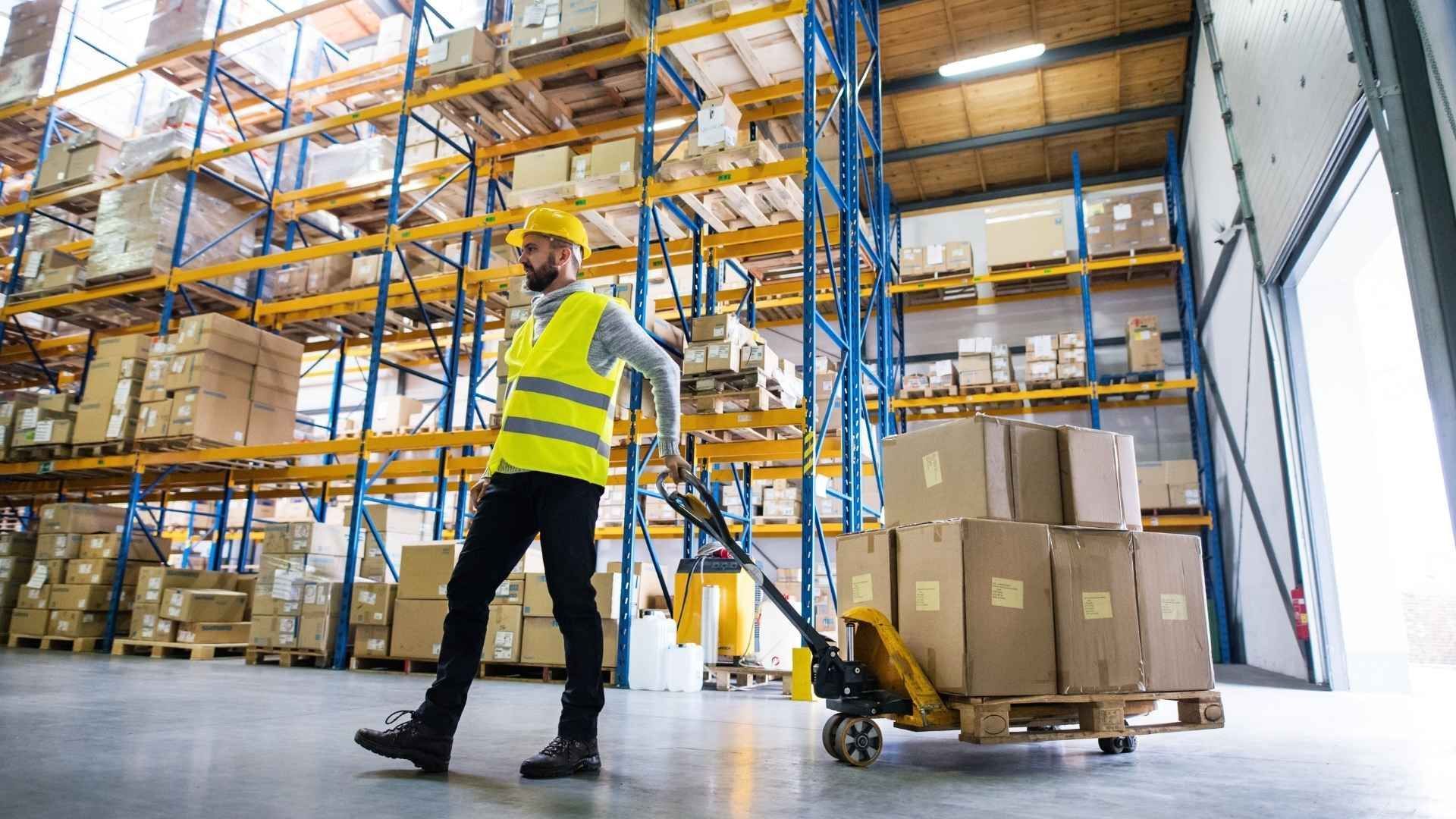
A man is pushing a pallet with boxes on it in a warehouse.
By The Pallet Pro Team February 15, 2025
Ever wondered if you're too dependent on a single pallet supplier? If you're like most warehouse managers I talk to, you probably have. And let's be honest - in today's unpredictable market, that's a legitimate concern. Let me walk you through everything you need to know about diversifying your pallet supply chain and why it matters for your business.
A blue sign that says changes with arrows pointing in different directions
By The Pallet Pro Team February 15, 2025
Learn how to stay ahead of pallet price changes in Orlando. Discover how to save big on pallet costs without scrambling during price hikes. Plan smarter today!
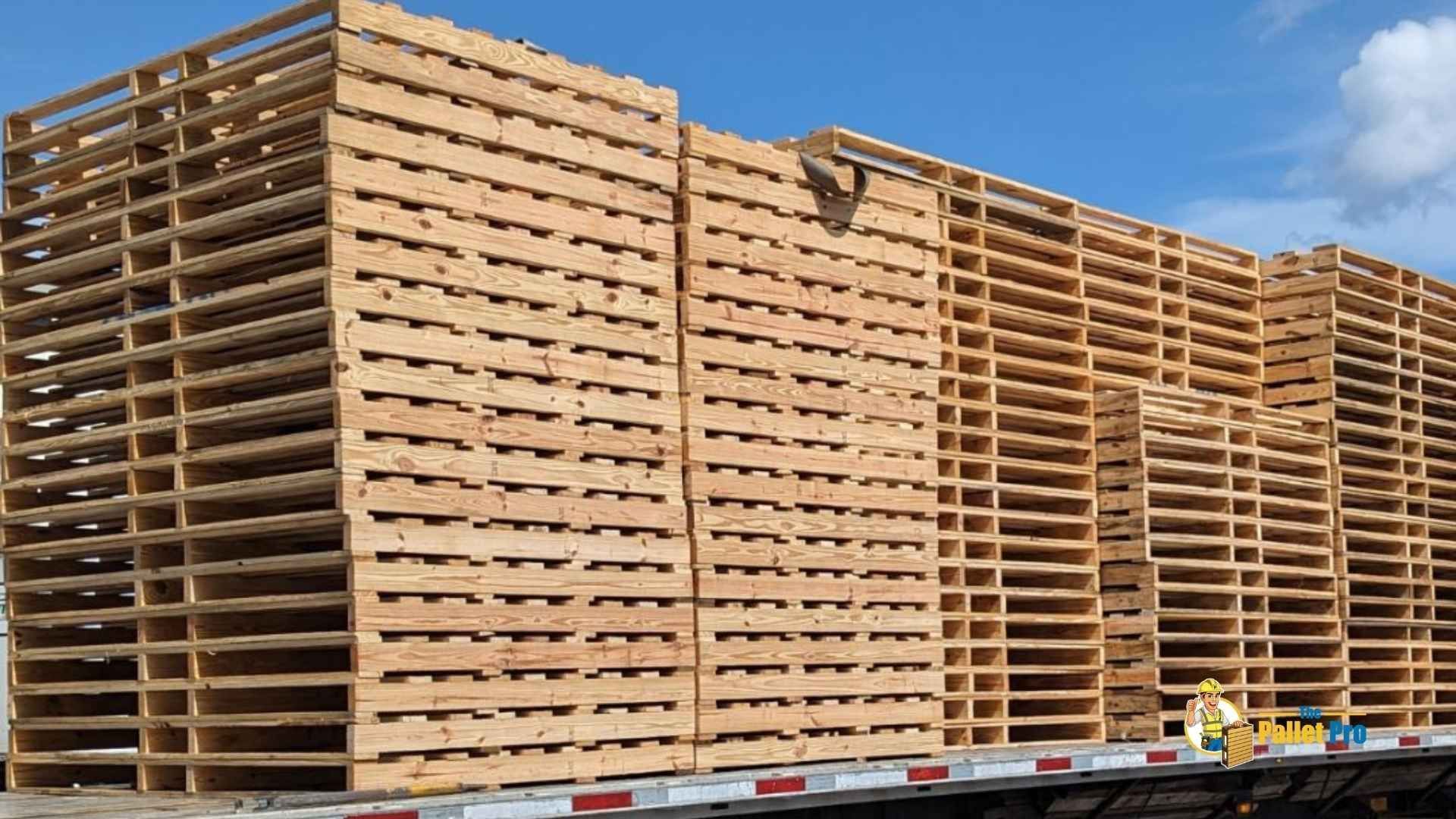
A large stack of wooden pallets sitting on top of a semi truck.
By The Pallet Pro Team September 17, 2024
I had a call with a client the other day who asked for a quote on 48x40 A-grade recycled pallets. Standard request. I gave him the price, and he was BEYOND thrilled.
A warehouse filled with lots of wooden pallets stacked on top of each other.
By The Pallet Pro Team September 17, 2024
Just because a pallet works for one business doesn’t mean it’s the right fit for yours. Thinking all pallets are the same is like saying all shoes are the same. Sure, they all do the basic job, but you wouldn't wear flip-flops to run a marathon, would you? I’m here to tell you that if you don’t know the details of how you’re using your pallets, you might be throwing money down the drain - or worse, screwing up your operations.
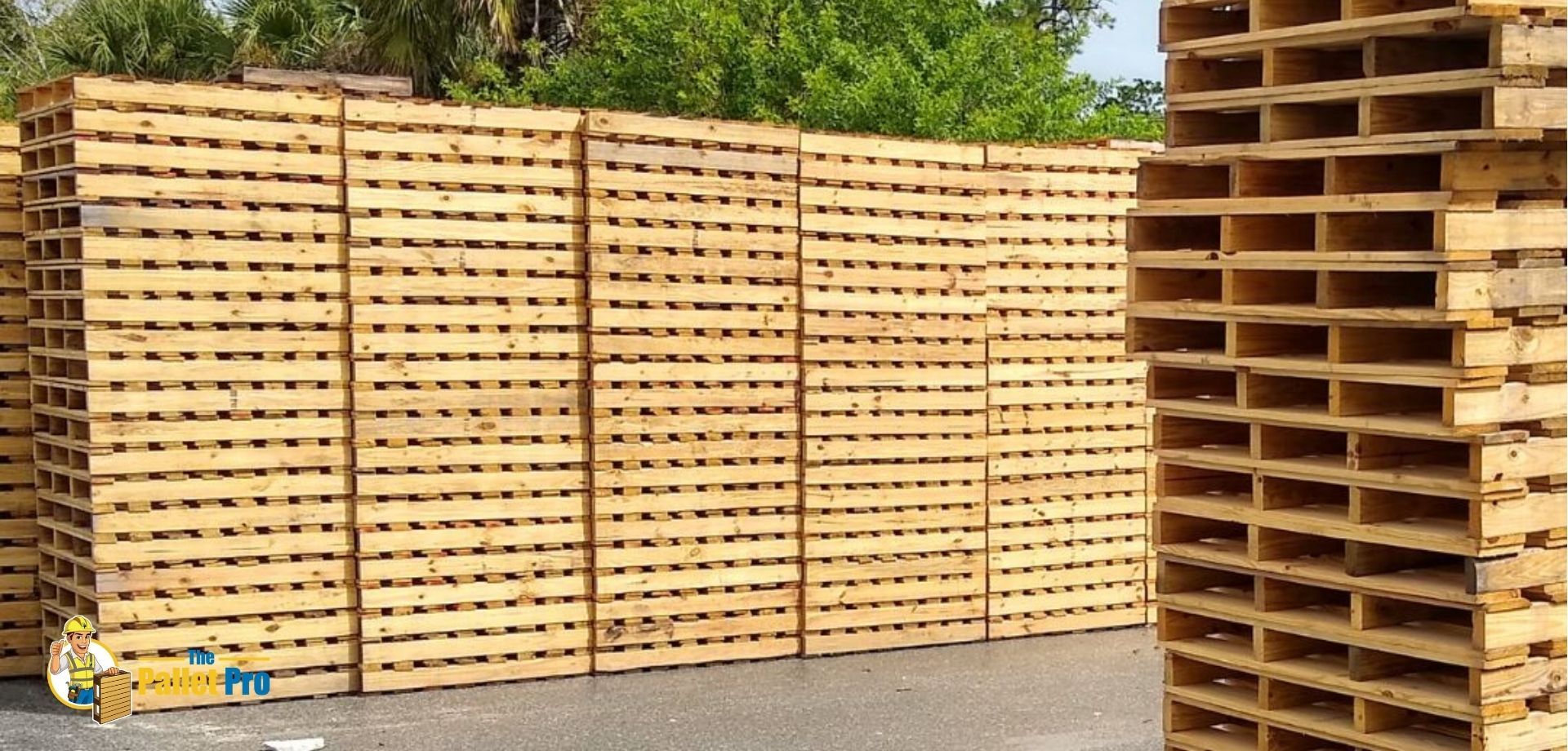
A bunch of wooden pallets are stacked on top of each other.
By The Pallet Pro Team July 30, 2024
Have you ever looked at how much you’re spending on pallets and said to yourself, “They’re just wood and nails. How can they possibly cost that much?!?”

Show More